Community
From Herndon to Homecoming: Why College Traditions Endure

Traditions thrive on college campuses. Some traditions, such as sorority rushes and commencement ceremonies, are nearly universal. Others are unique to specific institutions, creating a strong sense of identity and pride.
I think my phone may have heard my thoughts while this article was taking shape in my mind because a post about the U.S. Naval Academy’s Herndon Monument Climb suddenly appeared on my Instagram feed. While I was already familiar with the tradition, I enjoyed catching up on the details of this year’s climb.
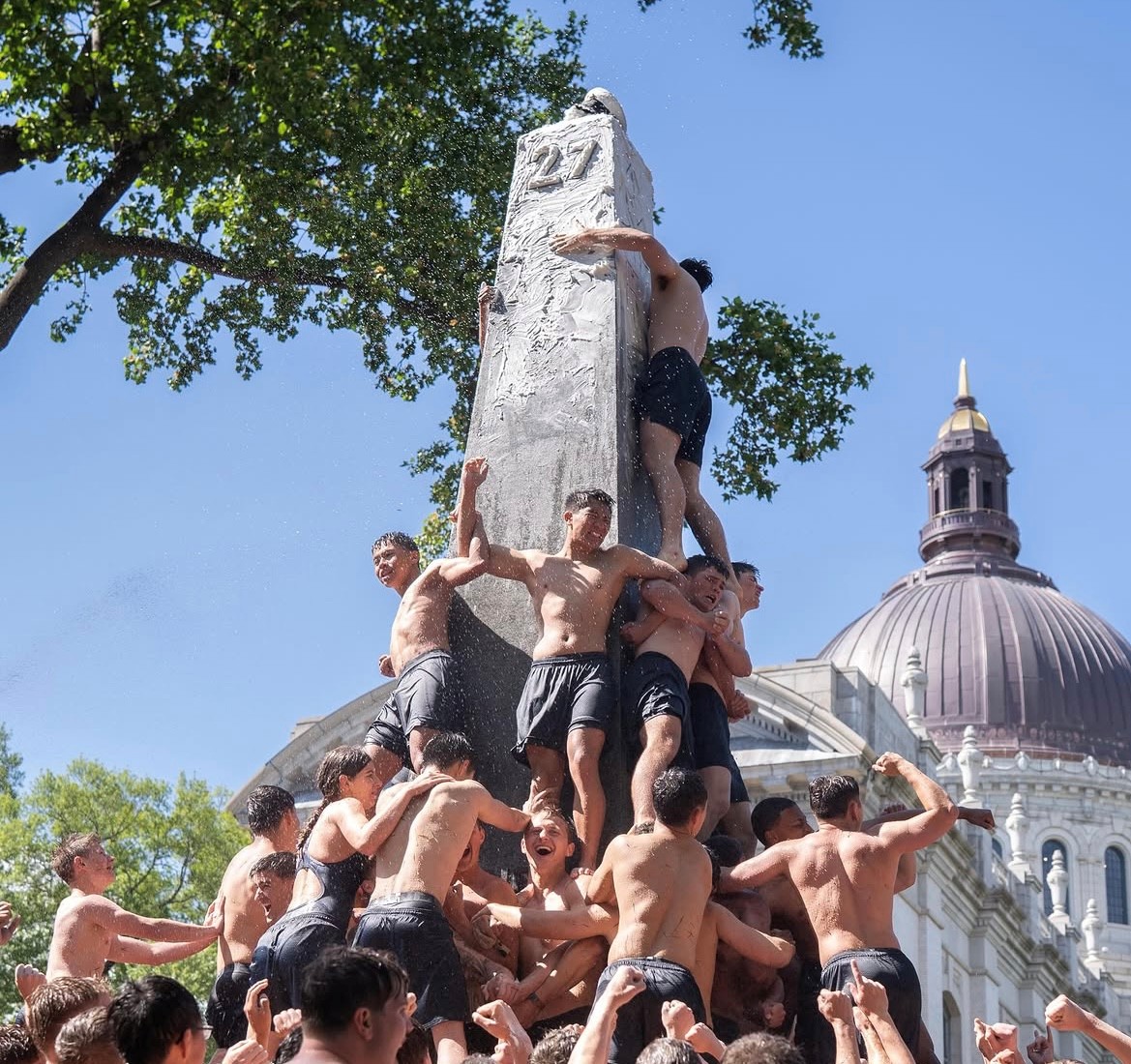
The event takes place at the end of the plebe (freshman) year. The goal is for the plebes to work together to build a human pyramid up the 21-foot monument topped with a traditional dixie cup hat. Their mission is complete when they successfully replace the dixie cup with an upperclassman’s hat, symbolizing that they are “Plebes no more.”
Of course, there is a catch. Upperclassmen smear the monument with more vegetable shortening than you will probably use in a lifetime, making the challenge even more difficult. This year’s class completed the climb in 2:17:36, which is about average.
If you watch much college football, you have probably seen the Hawkeye Wave at the University of Iowa. The Stead Family Children’s Hospital overlooks the stadium, and patients and their families often watch games from the upper floors. At the end of the first quarter, everyone in the stadium turns toward the hospital and waves at the children.
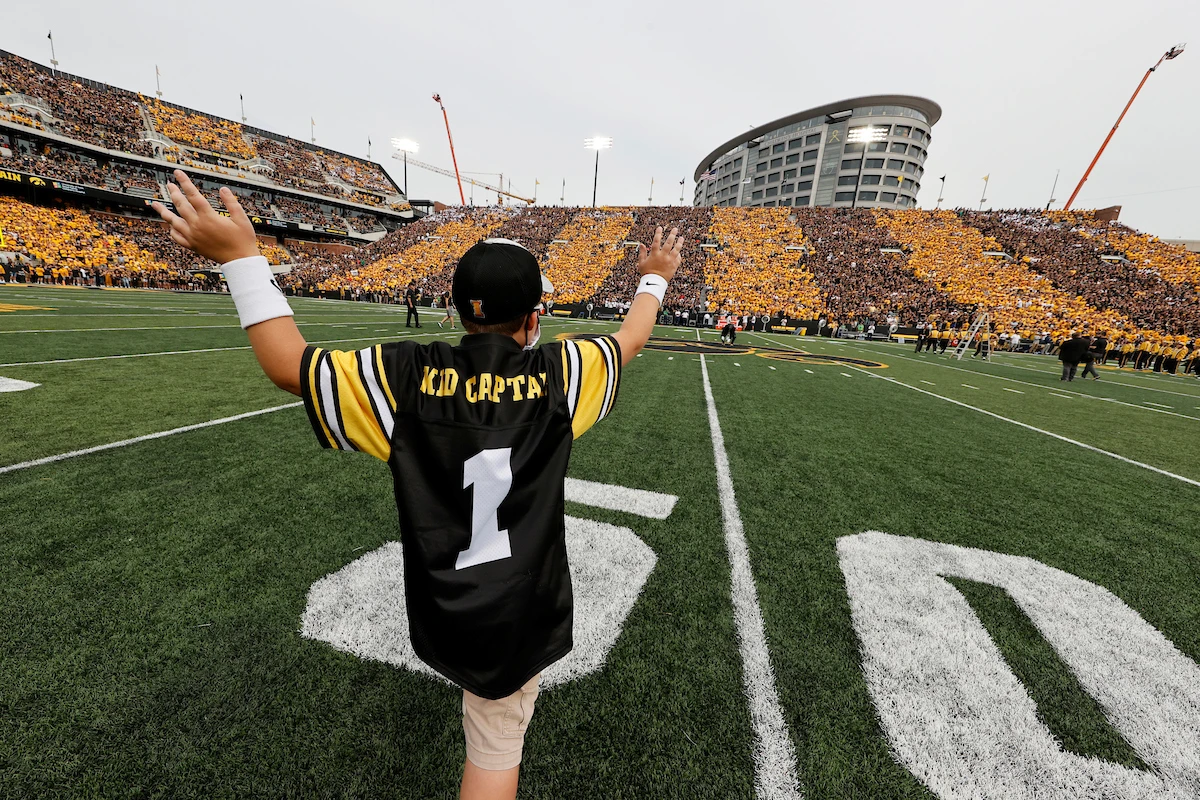
It is not just a casual “Hey there” wave. A song plays through the stadium as 70,000 fans and players wave and cheer together. It is a touching tradition that brightens the world of young patients facing major, and sometimes life-threatening, illnesses and long hospital stays.
I attended a small private university in the Oklahoma City area. Back in the day, the first week of school was known as Welcome Week. Along with other activities, freshmen were issued green beanies they were expected to wear for the duration of the week. If a sophomore caught you without your beanie, you could find yourself doing 50 jumping jacks or standing on a table in SAGA, our cafeteria, singing a ridiculous song.
The activities were harmless fun, but eventually the tradition was retired since some felt it too closely resembled hazing.
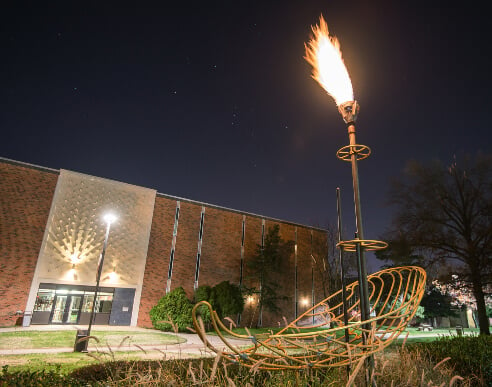
Another tradition that still takes place at my alma mater, as well as at other universities, is the Ivy Ring ceremony. At my school, graduates gathered around the Lamp of Learning sculpture at the center of campus. The lamp was usually lit when important guests visited campus or during major events, including commencement. As a college prank, the Lamp of Learning was stolen the year I graduated, so we gathered around the empty concrete pedestal where it was supposed to stand.
To this day, graduates hold a ring made of ivy growing on campus buildings. As the university president moves around the circle, the ivy is cut between each graduate, symbolizing the unity of the class and acknowledging that, while still connected, it is time to go separate ways.
If you attended college, you probably remember your school’s traditions. Maybe it was the Homecoming Walkaround at OSU, the Sooner Schooner at OU, the Midnight Yell at Texas A&M, or the elaborate campus hacks at MIT.
Traditions look a little different in the unique setting of the University Center, but there are still experiences that create community and identity. UCers from the early days tell stories about traversing the tunnel connecting the Conoco parking lot to the main campus, while current students share adventures of trying to enter the building without being chased by the resident geese.
Students can also tell you about the first time they met Ann, the simulator in the nursing lab. And because the University Center is primarily a distance-learning facility, there are always those pesky technology issues that seem to arise at the worst possible moments. Of course, there is also the pride alumni express when they say, “I attended the University Center!”
Why do college traditions matter? Not only are they fun, but they also bring people together. Students at colleges and universities come from diverse backgrounds and places across the country and around the world. Participating in traditions creates shared experiences that build friendships and strengthen campus life.
Traditions create a sense of community that transcends generations. I guarantee every plebe at the Naval Academy can tell you precisely how long it took their class to conquer Herndon. Studies have even suggested that cherished campus traditions can positively impact student success.
Traditions, large or small, are memorable and formative experiences that connect us to our alma maters for a lifetime. Find your college, embrace its traditions, and let them become part of your story.
Keep learning!