Community
Finding the Best Steaks in Ponca City
By: The Butcher and The Baker \ Contributing Writer
“Mouth Watering,” “So, tender you can cut it with a fork,” “Melts in your mouth like butter” …. These are things we’ve all heard folks say about a great piece of beef. And conversely, we’ve all heard “Tougher than boot leather,” “I wouldn’t feed that to my dog,” Drier than an Oklahoma dirt road” about a less than desirable piece of beef. In this multipart article, we are going to utilize our own personal experience and that of local experts to ensure that your dinner guests are making the latter type of statements.
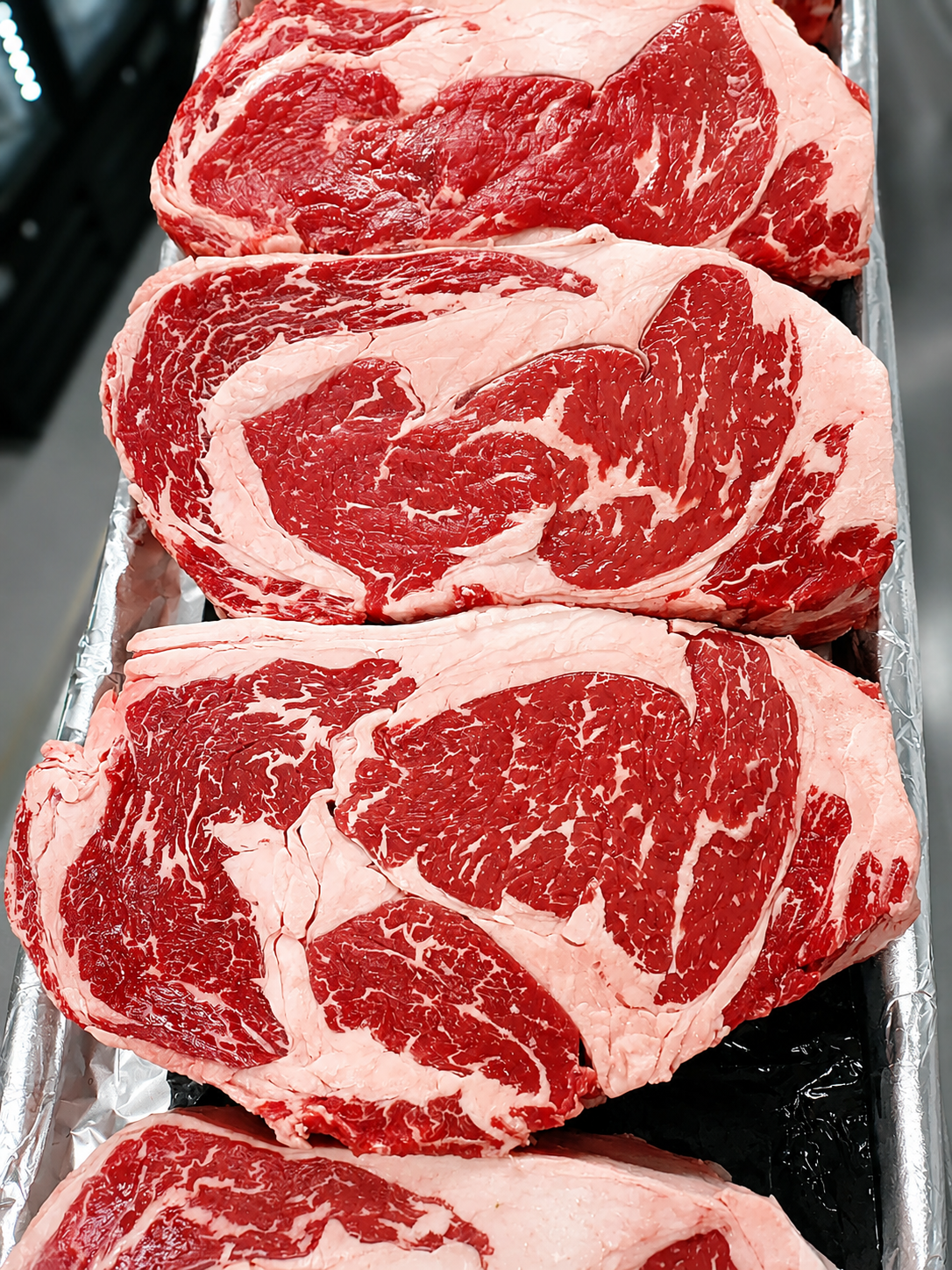
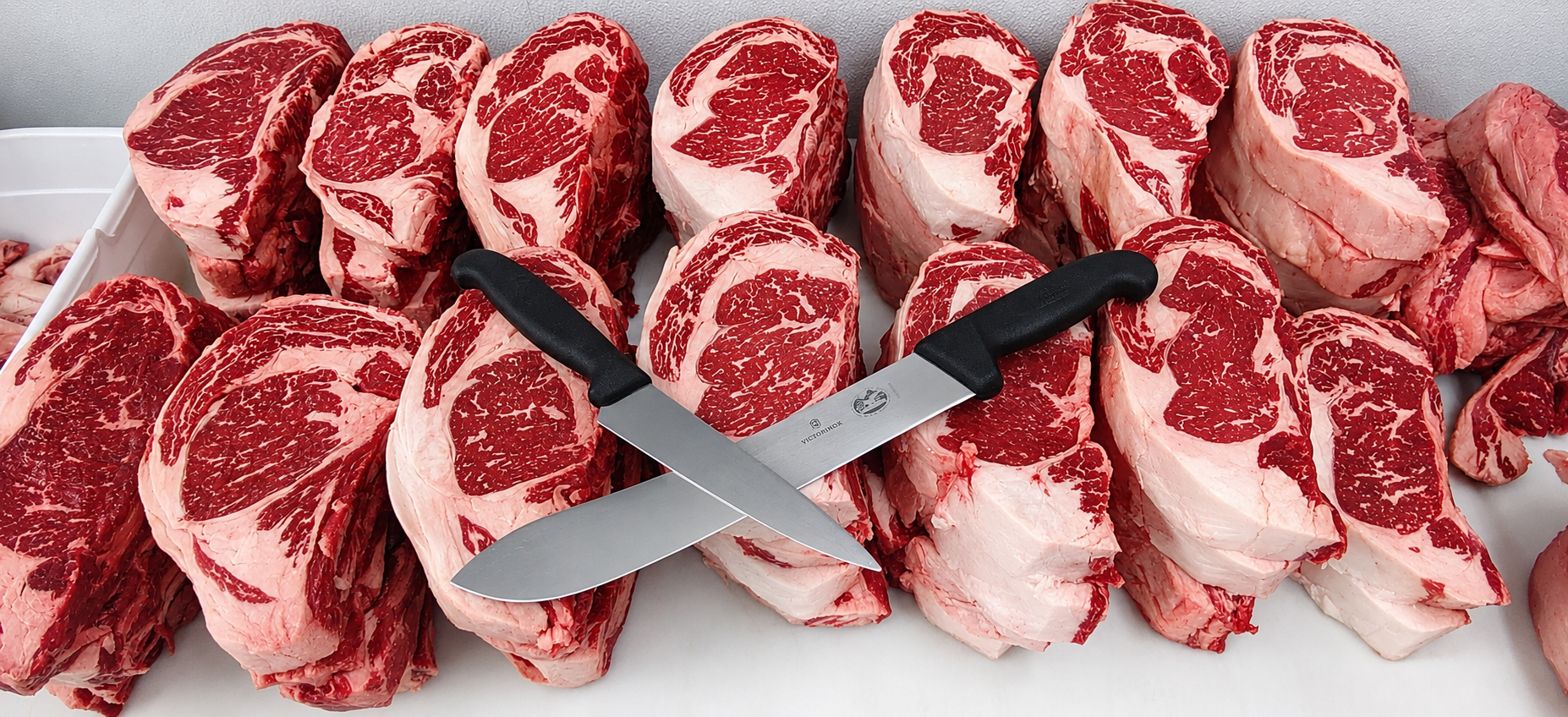
Before you can eat a great steak, you’ve got to source it. We are fortunate to live in cattle country and have a smorgasbord of outstanding restaurants, butcher shops and processors here in Ponca. The focus on part one here is choosing the right piece of beef to leave you satisfied with your dining experience. Daily in our shop we see customers intimidated when confronted with a few dozen steaks to choose from! There are many regional and designer names for various cuts, but ultimately getting the right one comes down to a few important things, muscle type/use and fat content. The muscles that are used the most and bear the most weight are going to be leaner, more dense muscles resulting in a coarse and tough texture. Muscles that bear little to no weight and move less will produce the nice fork tender cuts that diners rave about. Study the beef cut charts displayed in most butcher shops and various online sources to identify those cuts. Intramuscular fat or marbling is the best source of flavor, leaner more dense cuts without marbling produce a strong beef flavor, while higher marbled pieces have the “buttery” flavor that is highly sought after. Being able to look at and choose individual cuts is key to finding the right amount of marbling; despite USDA grade, there will be some variation from steak to steak. Remember that fat cap and marbling are not the same! Many people that claim they do not like a lot of fat in a steak are referring to a poorly trimmed piece with excessive fat cap, we’ve changed a lot of opinions on fattier cuts like the Ribeye on sample Sundays with proper trimming alone.
It is quite natural to begin a discussion on fine eating in this town with the only Oklahoman ever inducted into the Silver Plate Society, Chef Jeff Denton. Owner and operator of TS Fork, recognized as top Child Nutrition Director in the country and working off an impressive 50 years in the food industry, recommends that you “always choose a well-marbled cut that is fresh, never frozen. These are key to tenderness.” He is also a big fan of cooking the entire loin as opposed to single steaks.
Fifth-generation rancher and newly turned restauranteur Jory Jacques of Cross J Cattle Prime Steakhouse when asked how he chooses steaks stated, “Definitely Grade. Prime is Prime for a reason. If you start with quality meat, you really can’t screw it up.”
Kevin Emmons, owner and operator of Ember at Provisions since 2019, focuses on quality marbled cuts graded USDA Prime for the consistency he prefers. Big emphasis on proper trim and thickness to ensure consistent cooking times and desirable results from his reverse-sear cooking method.
We hope y’all learned a little bit about how and where to find a delicious steak in our hometown; join us next month as we dive into the various cooking methods!!