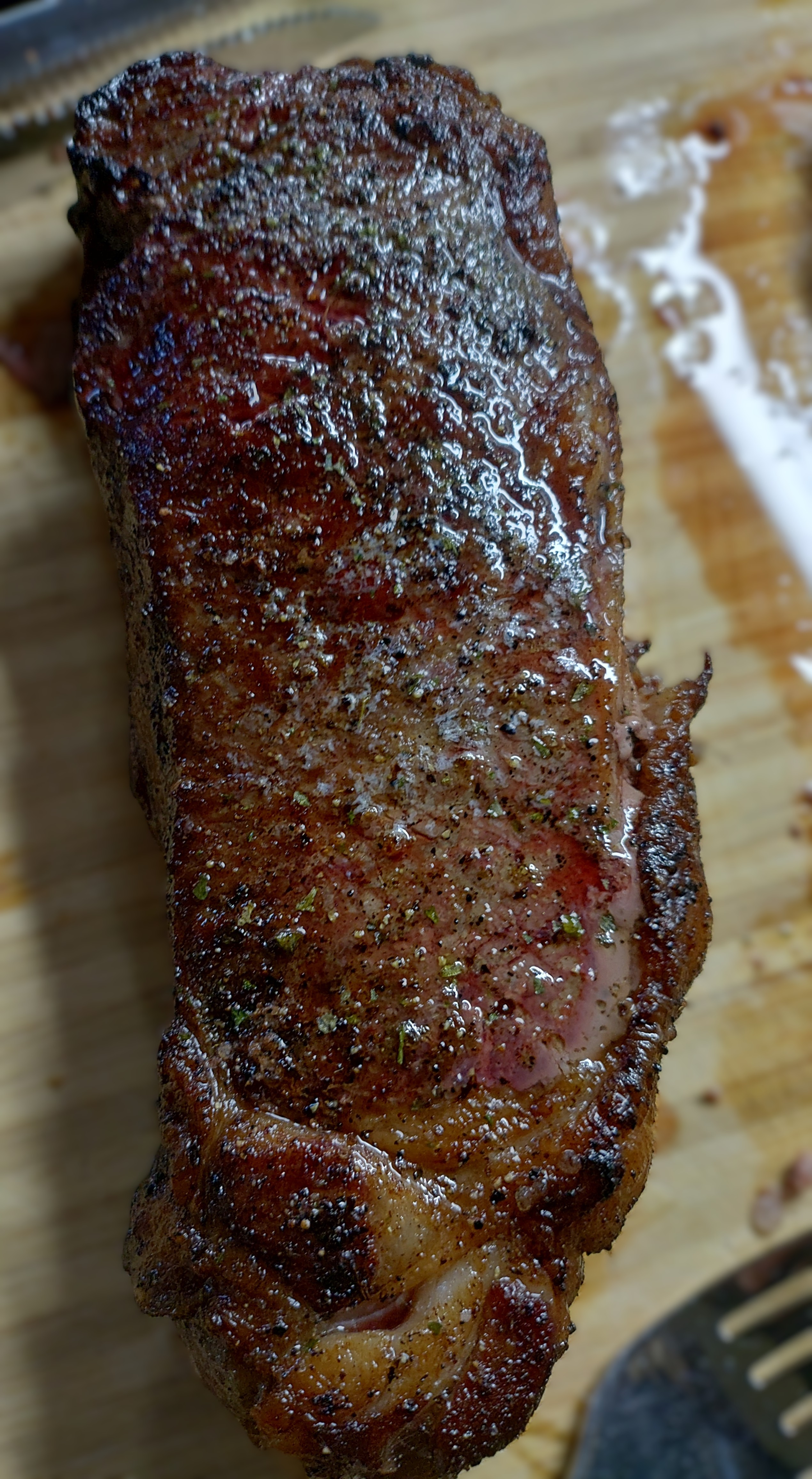
In last month’s piece we discussed how to choose the perfect cut of beef for the table, now that you’ve chosen it you must cook it! We are going to dive into three of the most popular cooking methods this time, but first, The Butcher has a few hard and fast rules that are nonnegotiable when preparing steaks by any method.
Never. Ever. Overcook beef.
Save the marinades and heavy seasoning blends for lesser cuts. All of the experts interviewed agreed; great steak needs little doctoring up.
The sear and crust define the steak! It is the first thing you see and first texture to hit the palate.
Never cut the steak until it has rested! Breaching the sear before a steak has had a chance to rest will release juices and negatively impact the quality of the finished product.
(Warning: Violating any of these rules may result in being kindly, yet firmly, asked to step away from the steaks and depart the cookout.)
Most of the common cook methods all rely on the same principles of preparation, finishing and resting so we will start our discussion there. Any steaks should be dry and room temperature before cooking, excess surface moisture (especially condensation from a cold steak hitting a hot cooking surface) will cause an uneven sear and unfavorable gray color. We always recommend dusting with coarse Kosher salt and allowing beef to sit covered on the counter for at least an hour before cooking. This will also allow time for the seasoning (remember rule #3!) to absorb into the meat via osmosis. Salt is an excellent catalyst for this process, hence it being a season-blend staple.
Finishing in most methods refers to getting the cut up to the desired temperature after searing. It is critical to avoid overcooking or burning the crust in this period. Chef Jeff Denton of TS Fork recommends keeping the meat moist with a base or butter at this time. We always use finishing butter with our preferred aromatics. Use a thermometer to test internal temperature vs. your preferred doneness. Once you’ve checked enough steaks you’ll be able to judge it closely by poking with a fork and judging the texture.
Resting is performed after the steak has been seared and “finished” to desired temperature or doneness. It is a good rule of thumb to rest a steak for as long as it was cooked for most methods. There is plenty of experimentation to do here, we’ve found five to eight minutes on a wooden cutting board to be about right for our style. Some rest is better than none, too much rest equals a cold steak. Somewhere in between is your version of culinary heaven; you must seek it.
The most popular steak cooking method is open flame searing. To quote Jory Jacques of Cross J Cattle Prime Steakhouse, “It can be wood, gas or charcoal. But if it’s not over fire, you’re doing it wrong.” While producing slightly different flavors, the different sources of flame employ the same basic idea. Sear the steak hot and fast over open flame, move out of direct flame to cook to desired doneness. Key factors are setting up hot and cold zones on your grill to avoid flareups and monitoring the sear closely to prevent burning. Don’t be afraid to turn multiple times in order to keep a close eye on the crust.
We’ve all seen famous TV chefs cooking steaks on top of the stove in a pan, our preferred method comes from watching my grandmother prepare thick Delmonico Cut ribeyes from my grandfather’s butcher shop. Cast iron, butter and delicious aromatics like garlic, rosemary and thyme complement quality beef perfectly! Naturally when talking Cast Iron in Ponca City, we had to chat with Lance and Jaime Cherry of Cast Iron Co. They recommend starting out with a well-seasoned pan to make the process easy, using a high smoke point oil such as avocado, grape seed or canola to sear and using butter to baste the steak while finishing on top of the stove in a tilted skillet.
Reverse searing is a slightly newer cooking method that is rapidly gaining traction. This style involves using an oven or smoker to slow cook the beef at low temperature to desired internal temperature then sear the crust on hot and fast. Kevin Emmons of Ember at Provisions states, “In reverse searing, it is all about the internal temperature, not the appearance. Always go low and slow then sear as hot and fast as you can.”
We are blessed to live in cattle country and have access to such high-quality beef here in Ponca City; get out there and perfect your favorite cooking method; and try a new one or enjoy one of the various local experts’ handiworks!
Side Note:
Beef Internal Temp Chart
Blue Rare 110 F
Rare 120 F
Medium Rare 130 F
Medium 140 F
Medium Well 150 F
Well Done 165 F